Eco-Friendly Toiletries: 10 Easy Ways to Make Your Bathroom More Sustainable
Open your bathroom cabinet and count the plastic. Bottles, tubes, pumps, caps and the odd forgotten sample pile up quickly, and most of it reaches the bin within a few months. The good news is that the bathroom is one of the easiest rooms to improve, because you replace its products so often. Every empty bottle is a chance to choose something better.
This guide shares ten simple ways to move towards eco-friendly toiletries without overhauling your routine overnight. Some swaps cost nothing, some save money over time, and all of them help to cut waste. Pick the ones that suit you and leave the rest for later.
1. Use Up What You Already Own
Before you buy anything new, finish the products you have. Throwing away half-full bottles creates waste, which defeats the purpose of going green. Use up what is in the cabinet, then replace each item with a better alternative as it runs out.
This approach keeps the cost manageable too. You spread the spending over several months and learn which products you actually enjoy. A sustainable bathroom is built one empty bottle at a time, not in a single shopping spree.
It also helps to keep a short list on your phone. Each time something runs low, note it down and decide on the replacement before you shop. That small pause makes it much easier to choose sustainable toiletries deliberately instead of grabbing whatever is on offer.
2. Switch to Organic Toiletries
Many conventional products contain synthetic fragrances, harsh preservatives and ingredients derived from petroleum. Organic toiletries are made with plant ingredients grown without synthetic pesticides or fertilisers, which is kinder to soil, rivers and wildlife.
Look for recognised certification marks on the label, because they show that the ingredients meet independent standards. Many people also find that organic toiletries feel gentler on sensitive skin, since the formulas tend to be simpler and less heavily perfumed.
3. Choose an Organic Body Wash
The shower is a great place to begin. A good organic body wash cleanses without stripping your skin, and its scent usually comes from real botanical extracts rather than artificial perfume.
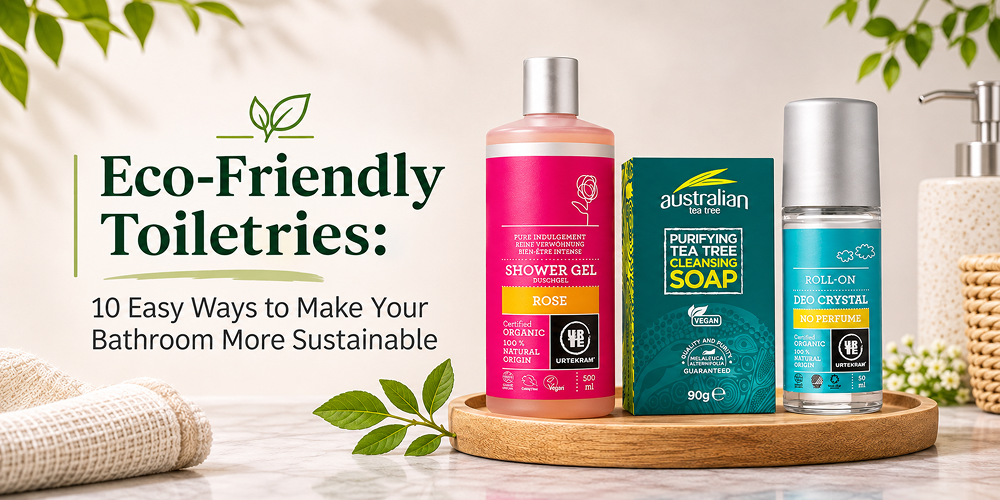
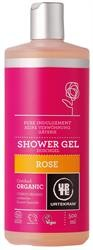
The Urtekram Organic Rose Shower Gel 500ml is a lovely example. It is listed as organic and vegan, and the rose scent turns an ordinary shower into a small treat. The 500ml size also means fewer bottles to recycle over the year, because buying larger sizes of products you love is one of the simplest ways to reduce packaging.
4. Swap Liquid Soap for Natural Soap Bars
If you only try one idea from this list, make it this one. Natural soap bars need little or no plastic packaging, last far longer than liquid soap and are usually made from short, recognisable ingredient lists.
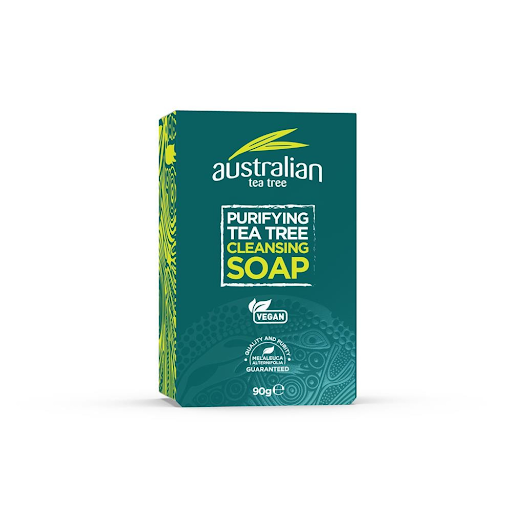
The Australian Tea Tree Cleansing Soap 90g is a handy everyday choice, and the store lists it as vegan. Tea tree has a fresh, clean scent that many people enjoy. For something more traditional, the Olive Oil Soap 125g is a classic bar that works well for hands and body. Both natural soap bars sit happily on a draining dish, and keeping them dry between uses helps each one last noticeably longer.
5. Try Natural Shampoos and Conditioners
Many hair products contain silicones, strong sulphates and artificial colours that wash straight down the drain. Natural shampoos and conditioners rely on gentler cleansers and plant-based nourishment, so your scalp can find its own balance rather than being stripped and then over-conditioned.
Expect a short adjustment period. Your scalp may need a few weeks to settle after years of conventional formulas. Choose bottles that are easy to recycle, or look at solid shampoo and conditioner bars if you want to cut plastic even further.
A few habits make the transition smoother. Use a smaller amount than you think you need, rinse thoroughly, and finish with a cool rinse to leave hair feeling smooth. If your hair feels heavy at first, that is usually product build-up leaving the scalp, not a sign that the switch has failed.
6. Replace Your Antiperspirant With a Natural Deodorant
Deodorant is often overlooked in green bathroom guides, yet aerosol cans and plastic sticks create a surprising amount of waste. A natural deodorant controls odour without the propellants and aluminium salts found in many standard sprays.
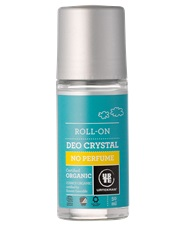
The Urtekram Crystal Deodorant Roll-On, No Perfume, 50ml is a good fit if you have sensitive skin, because it contains no added perfume. The store also lists it as organic and vegan. A fragrance-free roll-on will not clash with your other scented products either. Give your body a couple of weeks to adjust, and you may be surprised by how well a simple natural deodorant performs.
7. Build a Zero Waste Bathroom With Reusable Basics
A truly low-waste bathroom does not need to look complicated. A handful of well-chosen zero waste bathroom essentials can replace a whole shelf of disposable items. Consider these simple swaps:
- A bamboo toothbrush instead of a plastic one
- Reusable cotton pads in place of single-use wipes
- A safety razor with replaceable blades instead of disposable razors
- A washable flannel or loofah rather than a synthetic sponge
Each item is small on its own, but together they keep a surprising amount of plastic out of landfill every year. The best zero waste bathroom essentials are the ones you will actually use daily, so begin with the swap that feels easiest.
8. Read the Labels and Spot Greenwashing
Greenwashing is common, so a little label-reading goes a long way. A box covered in leaves is not proof that a product is sustainable. The ingredient list and the certifications tell you far more.
Be cautious about microplastics, unspecified "fragrance" and long lists of ingredients you cannot pronounce. Words such as "natural" and "eco" are not tightly regulated on many labels, so treat them as a starting point for questions rather than proof. A short list is usually a good sign, and a brand that explains where it sources ingredients and how it packages them is usually one worth trusting. Over time, reading labels turns you into a confident shopper who can spot genuinely sustainable toiletries within seconds.
9. Explore Natural Personal Care Products Beyond the Basics
Once your core routine is sorted, apply the same thinking to the rest of your shelf. Natural personal care products now cover everything from moisturisers and lip balms to toothpaste and shaving soap. Many use ingredients such as shea butter, coconut oil and essential oils, which nourish the skin without a long list of additives.
Multi-purpose products can also reduce clutter. A single good balm might replace three or four specialised creams, and buying less but buying better sits at the heart of zero-waste personal care.
Check the packaging as well as the formula. Glass jars, metal tins and cardboard tubes are far easier to reuse or recycle than mixed-material plastic pumps. Once a jar is empty, it can become storage for cotton pads, hair ties or travel-sized refills, which gives it a second life before it is recycled.
10. Buy Smart and Dispose Responsibly
The final step is about habits rather than products. Buy only what you need, choose refills where they are available, and favour brands that use recyclable or minimal packaging. Larger sizes of the products you love usually create less packaging per wash than lots of small ones.
When something runs out, dispose of it properly. Rinse and recycle bottles and tubes where your local scheme allows, compost plain cardboard packaging, and press the last slivers of soap onto a fresh bar. Consistent, thoughtful choices matter more than occasional perfection, and the right sustainable bathroom essentials will quietly pay off over months and years.
Making the Change Stick
Building a greener bathroom is not about guilt or perfection. It is about making slightly better choices each time you reach for a product. Start with one swap this week, perhaps a soap bar or a new roll-on, and add another when you feel ready.
Over time, these changes add up. You will produce less plastic waste, expose your skin to fewer unnecessary ingredients and enjoy a bathroom that feels simpler and more intentional. Choosing eco-friendly toiletries is one of the easiest ways to live more sustainably, because you use these products every single day.
Browse the range at Zest Organic to find the organic toiletries and natural personal care products that suit your routine, and take the first step towards a more sustainable bathroom today.
Frequently Asked Questions
Are natural soap bars better for the environment than liquid soap?
Usually, yes. A bar needs far less packaging than a plastic pump bottle and tends to last longer, so you throw away less over a year.
How long does it take to adjust to a natural deodorant?
Most people need a week or two. Your body is used to a different formula, so give the new one a fair trial before judging it.
Is organic always the same as sustainable?
Not quite. Organic describes how ingredients are grown, while sustainability also covers packaging, sourcing and how long a product lasts. The best choices tick both boxes.
What is the easiest first swap?
Switching from liquid soap to a soap bar is the simplest place to start. It costs little, needs no new habits and cuts plastic straight away.